Can I Use Air Fryer Liners In The Oven: Planned Buying Guide
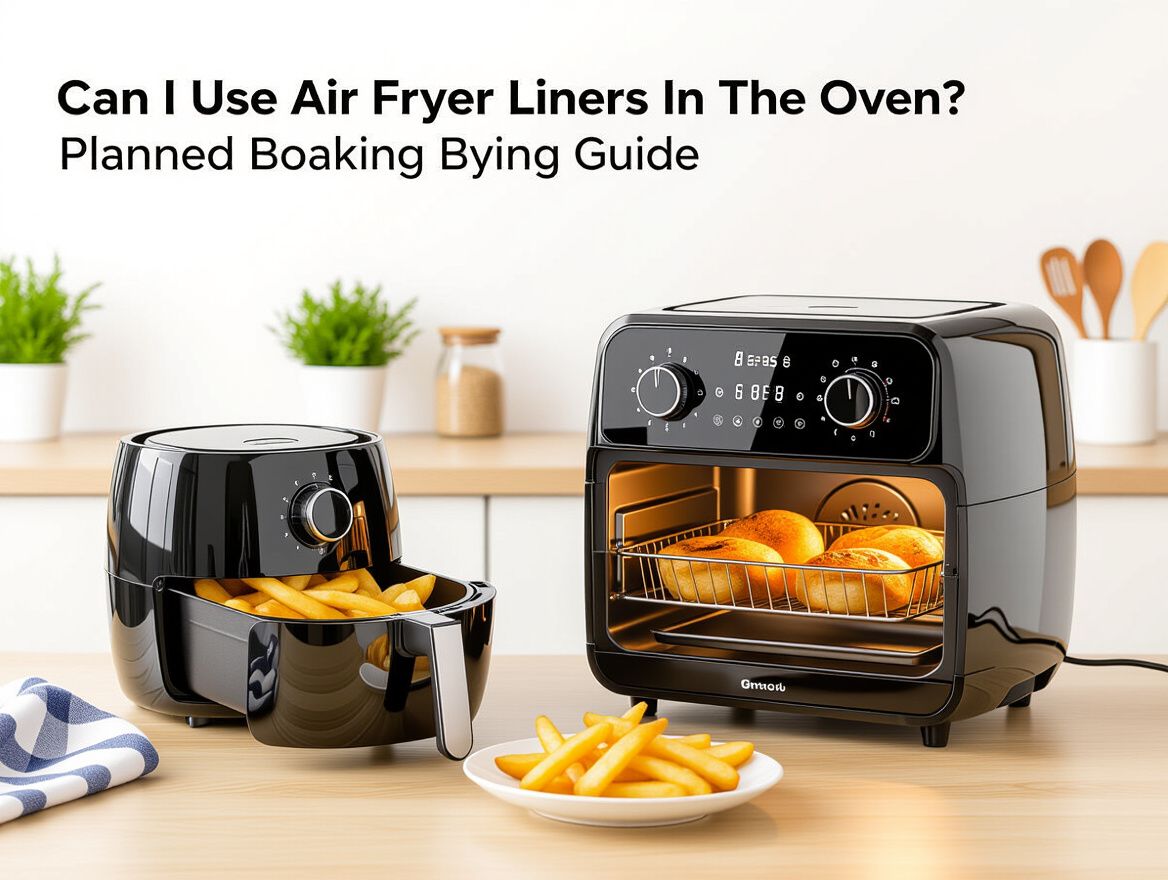
Understanding Air Fryer Liners and Their Purpose
Air fryer liners are specially designed accessories that enhance the cooking experience in air fryers. These liners serve multiple purposes, primarily aimed at making cleanup easier and preventing food from sticking to the cooking basket.
Common Materials Used
Air fryer liners are typically made from materials such as:
- Parchment Paper: Non-stick and heat-resistant, ideal for baking and frying.
- Silicone: Reusable, flexible, and can withstand high temperatures.
- Aluminum Foil: Provides excellent heat conduction but may not be suitable for all types of cooking.
Primary Benefits of Using Liners in Air Fryers
Using air fryer liners can offer several advantages:
- Easier Cleanup: Liners reduce the mess, minimizing the need for scrubbing the air fryer basket.
- Improved Cooking Results: They can help achieve a more even cooking surface, reducing the chance of food sticking.
- Convenience: Liners can simplify the cooking process, allowing for quicker transitions between different foods.
Understanding these aspects is crucial when considering whether air fryer liners can also be effectively used in the oven, as their compatibility varies based on material and intended use.
Can Air Fryer Liners Be Used in Ovens?
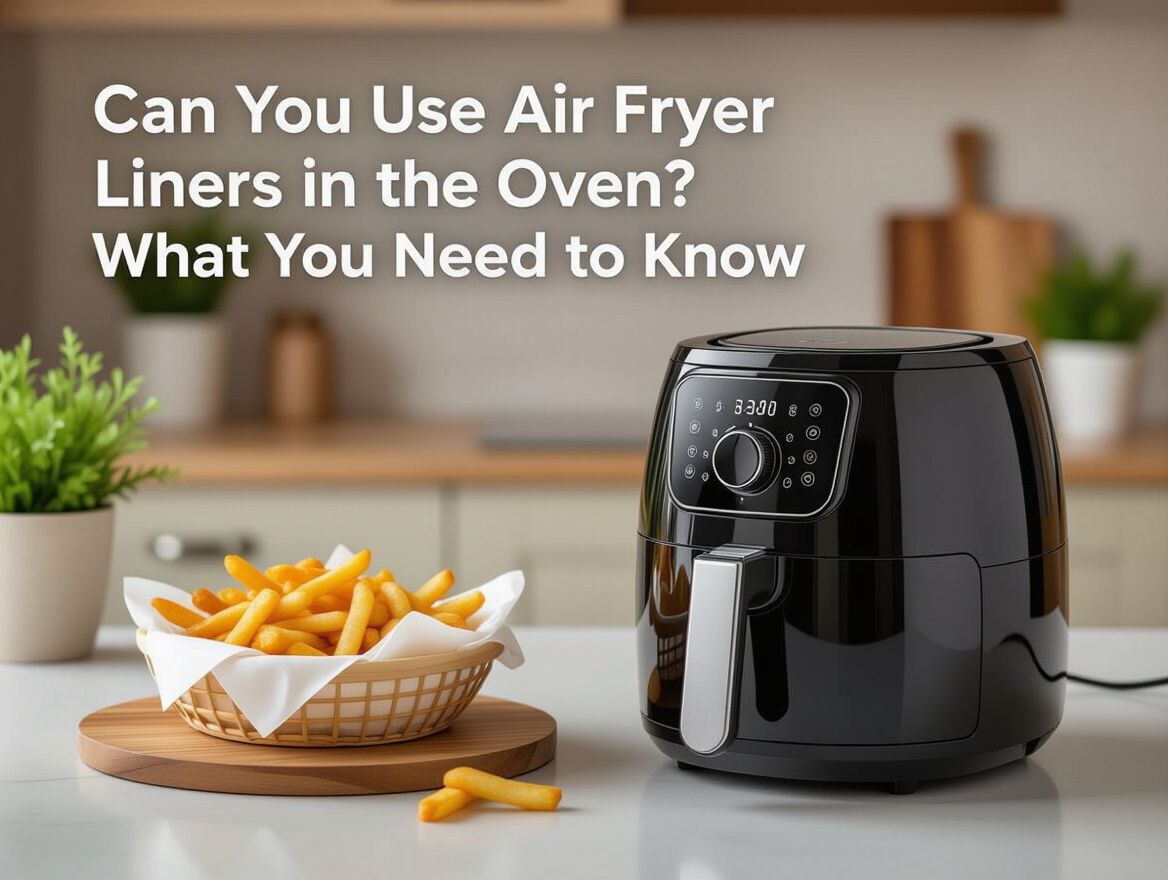
When considering whether air fryer liners can be used in the oven, it's essential to evaluate the materials they are made from and their temperature limits. Common air fryer liners are typically composed of parchment paper, silicone, or aluminum, each with distinct properties that influence their compatibility with oven cooking.
Material Properties and Temperature Limits
-
Parchment Paper: Generally safe for oven use, parchment paper can withstand temperatures up to 420°F (216°C). It’s ideal for baking and can help prevent sticking, but be cautious of using it near open flames or heating elements.
-
Silicone Liners: These are heat-resistant, often rated for temperatures up to 450°F (232°C). Silicone can be a versatile option for both air frying and oven baking but ensure that the liner is specifically marked as oven-safe.
-
Aluminum Liners: While aluminum can handle high temperatures, it’s important to check for any coatings that may not be oven-safe. Uncoated aluminum is generally safe but may react with acidic foods.
Manufacturer Guidelines
Always refer to the specific product instructions provided by the manufacturer. Some liners may have particular recommendations or restrictions for oven use that could influence your cooking process. Ignoring these guidelines could lead to issues such as melting, smoke, or chemical leaching.
Practical Considerations
-
Cooking Method: Consider how the liner will affect your cooking method. Liners may alter heat distribution, which could impact cooking times and results.
-
Cleanup vs. Cooking Quality: While liners can simplify cleanup, they might also affect the texture or flavor of certain foods. Weigh the convenience against the potential for altered cooking outcomes.
-
Safety Concerns: Using liners not designed for oven use can pose safety risks, including fire hazards or the release of harmful substances. Always prioritize safety by using liners that are explicitly marked as oven-safe.
In summary, while air fryer liners can be used in the oven under certain conditions, careful consideration of the material properties, temperature limits, and manufacturer guidelines is crucial to ensure safe and effective cooking.
Potential Risks of Using Air Fryer Liners in the Oven
While air fryer liners are designed for high-temperature cooking, using them in an oven introduces several risks that home cooks should carefully consider. Understanding these potential hazards can help you make informed decisions about your cooking methods.
-
Fire Hazards: Air fryer liners, especially those made from paper or certain plastics, can pose a fire risk when exposed to the direct heat of an oven. If the liner is not rated for oven use, it could ignite at high temperatures, leading to dangerous situations.
-
Chemical Leaching at High Temperatures: Many air fryer liners are made from materials that may not withstand the consistent high heat of an oven. At elevated temperatures, these materials can leach harmful chemicals into your food, which could affect both safety and taste.
-
Impact on Food Quality: Using air fryer liners in the oven might alter the cooking process. For instance, liners can trap moisture, leading to soggy textures instead of achieving the desired crispness often associated with oven-cooked foods. This can detract from the overall quality of your meals.
As you consider using air fryer liners in your oven, weigh these risks against the convenience they may offer. It’s crucial to check the manufacturer's guidelines regarding the intended use of the liners and to prioritize safety and food quality in your cooking practices.
Evaluating the Trade-offs of Using Liners in the Oven
When considering the use of air fryer liners in the oven, it’s essential to weigh the convenience against potential risks. While these liners can simplify cleanup and prevent food from sticking, their compatibility with oven cooking can vary significantly depending on the material.
Convenience vs. Safety
- Convenience: Air fryer liners can help minimize mess, making post-cooking cleanup easier. They can also promote even cooking by allowing air circulation.
- Safety Concerns: Not all liners are designed for the high heat of an oven. Some may not withstand temperatures above their specified limits, leading to potential melting or release of harmful chemicals.
Cost-effectiveness vs. Potential Damage
- Cost-effectiveness: Using liners can extend the life of your bakeware by protecting surfaces from grease and food residue. This can reduce the need for frequent replacements.
- Potential Damage: If a liner does not withstand oven temperatures, it could lead to damage to your oven or the food itself. Always check the manufacturer's guidelines regarding temperature limits.
Alternatives to Liners
- Parchment Paper: A safer alternative for oven use, parchment paper is designed to handle high temperatures and can be cut to fit your baking tray.
- Silicone Mats: Reusable silicone mats can provide a non-stick surface without the risks associated with disposable liners. They’re durable and easy to clean.
In conclusion, while air fryer liners offer convenience in the kitchen, understanding their limitations and potential risks is crucial. Always consider the material and intended use before incorporating them into your oven cooking routine.
Common Questions About Air Fryer Liners in Ovens
When considering whether to use air fryer liners in the oven, it's essential to address common questions that arise regarding their compatibility, safety, and practicality. Here are some key inquiries to guide your decision:
Can I reuse air fryer liners in the oven?
Reusing air fryer liners in the oven is generally not recommended. The liners can become damaged or lose their non-stick properties after a single use, especially when exposed to higher temperatures typical of oven cooking. Additionally, food residue may stick to the liner, compromising its cleanliness and effectiveness for future use.
What to look for in oven-safe liners?
When selecting liners for oven use, consider the following criteria:
- Material: Ensure the liner is made from materials specifically labeled as oven-safe, such as silicone or high-quality parchment paper.
- Heat Resistance: Check the temperature ratings; a good liner should withstand temperatures typically found in ovens, often up to 400°F or higher.
- Manufacturer Guidelines: Always refer to the manufacturer's instructions to verify if the liner is suitable for oven use.
Are there specific brands recommended for oven use?
While many brands produce air fryer liners, not all are suitable for oven use. Look for brands that explicitly state their products are oven-safe on the packaging. Reading user reviews and product descriptions can also provide insights into compatibility and performance in the oven. However, since brand performance can vary, it's essential to research specific products rather than relying solely on brand reputation.
By addressing these questions, you can make a more informed decision about whether to use air fryer liners in your oven and ensure a safe and effective cooking experience.
Final Thoughts on Using Air Fryer Liners in the Oven
In summary, while air fryer liners can offer convenience and ease of cleanup, their compatibility with ovens is not guaranteed. Here are key considerations to keep in mind:
-
Safety and Compatibility: Always check the material of the air fryer liner. Not all liners are designed to withstand the high temperatures typically found in conventional ovens, which can lead to melting or release of harmful substances.
-
Manufacturer Guidelines: Adhering to the manufacturer's recommendations is crucial. Many brands specify whether their liners are safe for oven use, so consulting the packaging or product details is advisable.
-
Practical Recommendations: If you choose to use air fryer liners in the oven, consider the following:
- Material Type: Opt for liners made from heat-resistant materials, like silicone or parchment paper, which are generally safer for oven use.
- Cooking Technique: Be mindful of how the liner might affect cooking times and outcomes in the oven compared to an air fryer.
Ultimately, while air fryer liners can potentially be used in the oven, careful consideration of their material, manufacturer guidelines, and cooking methods will help ensure a safe and effective cooking experience.