Do Air Fryer Liners Affect Cooking? Understanding the Impact
The Role of Air Fryer Liners in Cooking
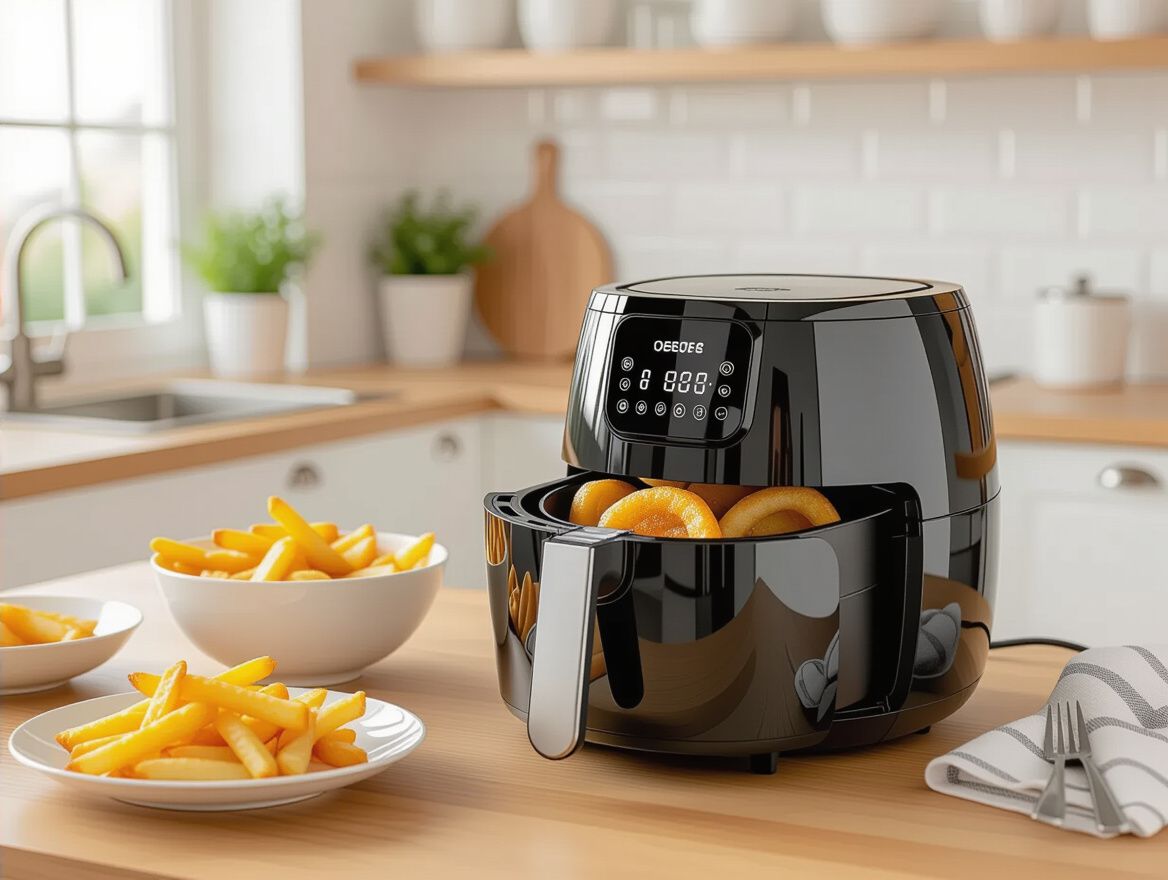
Air fryer liners are designed to enhance the cooking experience by providing a barrier between food and the air fryer basket. Typically made from materials like parchment paper or silicone, these liners aim to simplify cleanup and prevent food from sticking. However, their impact on cooking outcomes can vary based on several factors.
Common Concerns and Misconceptions
Many home cooks and air fryer enthusiasts have questions about whether these liners truly affect cooking results. Here are some key considerations:
-
Heat Distribution: Some believe liners may obstruct airflow, which is vital for even cooking. However, most liners are designed to be perforated or have specific shapes to allow adequate air circulation.
-
Flavor and Texture: There's a misconception that using liners could alter the flavor or texture of food. In reality, if used correctly, liners can help maintain the intended taste and crispiness by preventing direct contact with the basket.
-
Safety: Concerns about the safety of materials used in liners often arise. It's essential to select liners rated for high temperatures to avoid any potential hazards.
Understanding these factors will help you make informed decisions about incorporating air fryer liners into your cooking routine, ensuring you achieve the best possible results while minimizing cleanup.
How Air Fryer Liners Influence Cooking Results
Using air fryer liners can significantly impact your cooking experience, affecting everything from heat distribution to food texture. Here’s a closer look at how these liners can influence your cooking outcomes.
Impact on Heat Distribution
- Even Cooking: Liners can help promote more uniform heat circulation, which is essential for achieving that crispy texture often desired in air-fried foods.
- Material Considerations: The type of liner material (e.g., parchment paper vs. silicone) can affect how well heat passes through, which in turn can influence cooking times and results.
Effect on Food Texture and Flavor
- Moisture Retention: Certain liners may trap moisture, potentially leading to softer textures. This could be beneficial for foods that tend to dry out during cooking but may not be ideal for those looking for maximum crispiness.
- Flavor Infusion: Some liners can absorb oils and seasonings, which may alter the overall flavor profile of the dish. It's essential to consider how a liner might interact with your specific ingredients.
Potential for Improved Cleanup
- Reduced Residue: Liners can minimize food sticking to the air fryer basket, making post-cooking cleanup easier. This is particularly advantageous for sticky or greasy foods.
- Material Durability: Consider the durability of the liner material during cooking. Some liners can withstand high temperatures without breaking down, while others may not hold up as well, potentially leading to messier cleanups.
Trade-offs and Considerations
- Cooking Method Compatibility: Not all liners are suitable for every cooking method. For instance, if you plan to air fry at high temperatures, ensure your liner can handle the heat without compromising food safety.
- Potential Flavor Alteration: Be mindful that liners can absorb flavors and oils, which could enhance or detract from your dish, depending on the recipe and ingredients used.
In summary, while air fryer liners can enhance your cooking experience by improving heat distribution and simplifying cleanup, they also introduce variables that can affect texture and flavor. Understanding these implications will help you make informed choices that align with your cooking goals.
Potential Risks of Using Air Fryer Liners
While air fryer liners can enhance the cooking experience, there are several potential risks to consider before incorporating them into your routine.
-
Material Safety Concerns: Not all air fryer liners are created equal. Some may be made from materials that could release harmful chemicals when exposed to high temperatures. It's essential to check for food-grade certifications and heat resistance ratings to ensure safety.
-
Possibility of Reduced Airflow: Air fryers work by circulating hot air around the food to achieve that crispy texture. Using liners can potentially obstruct this airflow, which might lead to uneven cooking or longer cooking times. If you choose to use liners, be mindful of their design and thickness.
-
Compatibility Issues with Certain Air Fryer Models: Not every air fryer is designed to accommodate liners. Some models may have specific requirements or dimensions that could render liners ineffective or even dangerous. Always verify that the liner fits your air fryer model properly to avoid any cooking mishaps.
Considering these factors can help you make an informed decision about whether to use air fryer liners in your cooking process. Balancing the convenience of liners with these potential drawbacks will guide you toward the best choice for your culinary needs.
Key Considerations When Choosing Air Fryer Liners
When selecting air fryer liners, understanding how they influence cooking outcomes is essential. Here are some criteria to help you choose the right liners tailored to your needs:
-
Material Type and Safety:
- Look for liners made from food-safe materials like parchment paper or silicone. These materials should be free from harmful chemicals that could leach into your food during cooking.
- Check for heat resistance ratings to ensure they can withstand the temperatures your air fryer operates at without degrading.
-
Size and Fit for Different Air Fryer Models:
- Measure your air fryer basket to ensure the liners fit correctly. Ill-fitting liners can obstruct airflow, affecting cooking efficiency and results.
- Consider whether the liners are available in various sizes or if they can be cut to fit, which can enhance versatility across different cooking scenarios.
-
Ease of Use and Cleaning:
- Opt for liners that are easy to place and remove. Some liners may be designed for single-use, while others can be reused, which may save costs over time.
- Evaluate how easy the liners are to clean. Silicone liners, for example, often require less scrubbing compared to disposable paper liners, which may stick to food.
By carefully considering these factors, you can ensure that the air fryer liners you choose will complement your cooking style while enhancing the overall cooking experience.
Air Fryer Liners vs. Alternative Cooking Methods
When considering the use of air fryer liners, it's essential to evaluate how they compare to cooking directly on the basket or tray. Each method has its advantages and drawbacks, influencing your cooking outcomes.
Pros of Using Air Fryer Liners:
- Easier Cleanup: Liners can catch drips and crumbs, reducing the mess in your air fryer basket.
- Food Protection: They can help prevent food from sticking, making it easier to remove cooked items without damage.
- Flavor Retention: Liners can absorb excess oil, which may enhance the flavor of certain dishes.
Cons of Using Air Fryer Liners:
- Potential for Altered Cooking Times: Liners may insulate food, leading to longer cooking times or uneven results if not monitored closely.
- Material Limitations: Some liners may not withstand high temperatures, which could impact cooking performance or safety.
- Cost Consideration: Regularly purchasing disposable liners can add to your cooking expenses over time.
Comparison with Parchment Paper or Silicone Mats:
- Parchment Paper: Like air fryer liners, parchment paper aids in cleanup and prevents sticking. However, it may not be as durable at high temperatures and can burn if left in too long.
- Silicone Mats: These are reusable and can withstand higher temperatures than some disposable liners. They are also easy to clean but may not fit all air fryer sizes, leading to potential compatibility issues.
Making the Right Choice:
- Cooking Style: If you frequently prepare greasy or sticky foods, liners may be beneficial. If you're cooking items that require maximum airflow, like fries or vegetables, consider going without liners.
- Frequency of Use: For occasional users, disposable liners might be more convenient, while regular cooks could benefit from investing in reusable silicone mats for long-term savings.
Understanding these factors will help you make an informed decision about whether to incorporate air fryer liners into your cooking routine.
Frequently Asked Questions About Air Fryer Liners
Air fryer liners can significantly impact your cooking experience, and understanding their effects is crucial for home cooks and air fryer enthusiasts. Here are some common questions regarding their use:
Do liners alter cooking times?
Using air fryer liners generally does not change cooking times, as they are designed to withstand high temperatures without affecting heat circulation. However, it's essential to monitor food closely, as some liners may slightly insulate the food, potentially causing minor variations in cooking efficiency.
Can liners be reused?
The reusability of air fryer liners depends on the material. Silicone liners can often be washed and reused multiple times, while disposable parchment paper liners are typically single-use. Consider the type of food prepared and the liner's condition before deciding to reuse.
Are there specific foods that should not be cooked with liners?
While most foods can be cooked with liners, avoid using them for items that are very liquidy or may bubble over, such as soups or stews. This can lead to spillage that may compromise the liner's integrity and affect cooking performance. Additionally, very small food items might slip through the liner holes, so ensure proper sizing and fit.
These considerations help you make informed decisions about incorporating air fryer liners into your cooking routine, optimizing both convenience and food quality.
Making Informed Choices About Air Fryer Liners
When considering whether to use air fryer liners, it’s essential to weigh the benefits against potential drawbacks to make the best choice for your cooking needs.
Benefits:
- Enhanced Cleanup: Liners can significantly reduce the mess, making post-cooking cleanup easier.
- Food Quality: Some users report that liners help prevent sticking and can lead to more evenly cooked food.
- Versatility: Many types of liners (e.g., parchment, silicone) can be used for various recipes, expanding your cooking options.
Risks:
- Heat Resistance: Not all liners are created equal; some may not withstand high temperatures, potentially leading to safety hazards.
- Airflow Issues: Liners can block airflow if not properly placed, which might affect cooking times and results.
- Flavor Alteration: Depending on the material, some liners might impart a taste to the food, altering the intended flavor profile.
Personal Cooking Style Consideration:
Evaluate how you typically use your air fryer. If you prioritize convenience and easy cleanup, liners may be a valuable addition. However, if you often experiment with recipes that require precise cooking methods, consider how liners might impact your results.
Ultimately, understanding the implications of using air fryer liners will help you make informed decisions that align with your cooking style and preferences.