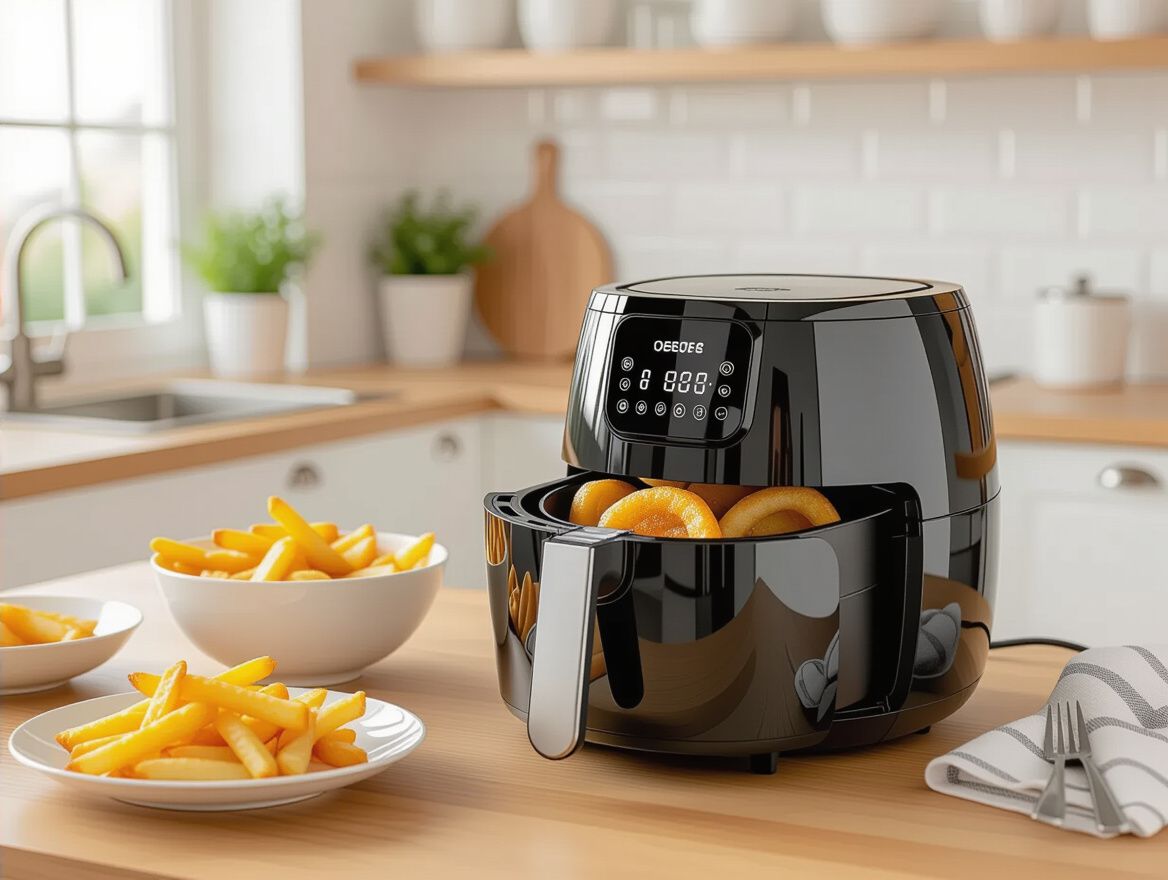
Do Air Fryer Liners Need Holes? Understanding the Science
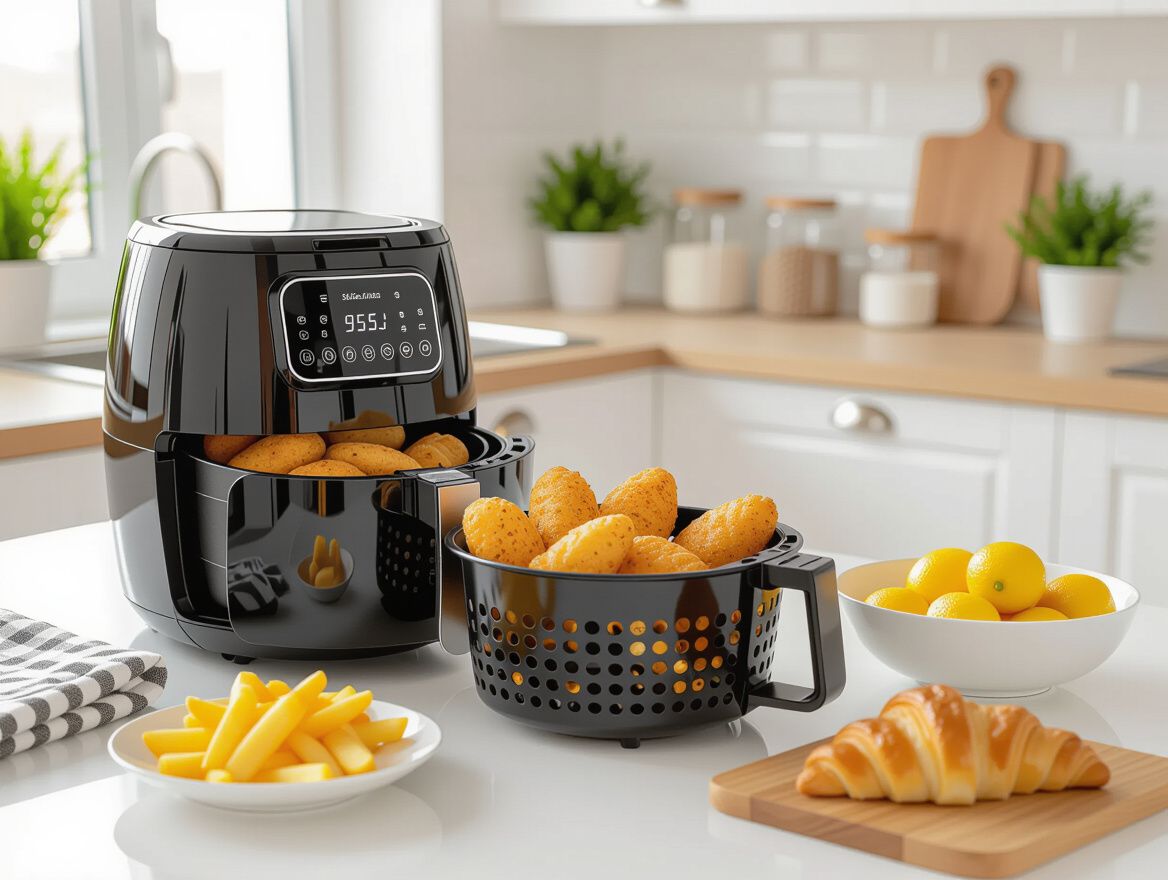
Understanding Air Fryer Liners
Air fryer liners are specially designed accessories that help maintain cleanliness and enhance cooking performance in air fryers. They serve multiple purposes, including preventing food from sticking to the basket, facilitating easy cleanup, and sometimes even improving heat distribution. Common materials used for air fryer liners include parchment paper, silicone, and aluminum foil, each offering unique benefits and drawbacks.
A crucial aspect of air frying is airflow. Air fryers operate by circulating hot air around the food, which is essential for achieving that crispy texture. Therefore, the design of the liner plays a significant role in allowing proper airflow. This leads to the question of whether air fryer liners need holes. The answer largely depends on the type of food being prepared and the specific cooking method employed.
When considering whether to use liners with holes, keep these points in mind:
- Airflow Efficiency: Liners with holes can improve airflow, which is essential for even cooking and browning.
- Food Type: Foods that tend to release moisture or have a high fat content may benefit from liners without holes to catch drippings while maintaining crispiness.
- Cleaning Convenience: Liners can simplify cleanup, but those without holes may require more attention to avoid sticking.
Ultimately, the choice of using air fryer liners with or without holes should align with cooking needs, desired outcomes, and safety considerations.
Do Air Fryer Liners Need Holes?
When considering whether air fryer liners should have holes, it's essential to understand how air fryers operate. Air fryers circulate hot air around food to achieve a crispy texture, relying heavily on airflow. Liners without holes can obstruct this airflow, potentially affecting cooking performance and food quality.
Pros and Cons of Liners with and without Holes
Liners with Holes:
- Enhanced Airflow: Holes allow air to circulate freely, ensuring even cooking and browning.
- Reduced Moisture Retention: Helps maintain crispiness by allowing steam to escape.
- Versatile Use: Suitable for various cooking methods, including baking and roasting.
Liners without Holes:
- Ease of Use: Often simpler to handle and can be easier to clean.
- Mess Protection: Provides a barrier against grease and food particles, making cleanup easier.
Impact on Cooking Performance and Food Quality
Using a liner with holes can improve cooking results by ensuring that hot air reaches all surfaces of the food. If you're cooking items that require a crispy finish, such as fries or chicken wings, a perforated liner is likely more effective. Conversely, if you're preparing dishes that benefit from moisture retention, such as casseroles, a solid liner might be more appropriate.
Considerations for Your Cooking Needs
- Cooking Style: If you frequently prepare crispy foods, opt for liners with holes. If you lean towards steaming or baking, a solid liner may suffice.
- Safety Concerns: Ensure that any liner you choose is made from materials that can withstand high temperatures without releasing harmful chemicals.
- Long-term Use: Consider how often you'll be using the liners. Reusable liners may provide better value and less environmental impact compared to disposable options.
In conclusion, whether air fryer liners should have holes depends on your specific cooking needs and preferences. Evaluating factors like airflow, food type, and material safety will help you make an informed decision that enhances your air frying experience.
Choosing the Right Air Fryer Liner
Selecting the appropriate air fryer liner can significantly enhance your cooking experience. Here are essential factors to consider when making your choice:
-
Material: Air fryer liners come in various materials, including parchment paper, silicone, and aluminum. Each has its advantages:
- Parchment Paper: Ideal for preventing sticking and easy cleanup but may not be reusable.
- Silicone: Durable and reusable, offering excellent heat resistance but may require thorough cleaning.
- Aluminum: Good for high-heat cooking but can react with acidic foods.
-
Size: Ensure the liner fits your air fryer model. Measure the basket or tray dimensions to avoid purchasing liners that are too large or small.
-
Hole Presence: Liners with holes allow for better air circulation, which can lead to more even cooking. However, if you're cooking items that might fall apart (like delicate fish), a solid liner may be preferable to prevent food from sticking to the basket.
Compatibility Assessment
To ensure compatibility with your air fryer:
- Check the manufacturer's guidelines for recommended accessories.
- Look for user reviews or community feedback on specific liners used with your air fryer model.
Tips for Effective Usage
- Preheat your air fryer before placing the liner to help it adhere better to the basket.
- Avoid overcrowding the basket to maintain proper airflow, which is crucial for optimal cooking results.
- Regularly clean your liners to avoid buildup that could affect cooking performance.
By considering these factors, you can select an air fryer liner that aligns with your cooking needs and enhances your overall culinary experience.
Risks of Using Air Fryer Liners
When considering whether to use air fryer liners, it's crucial to understand the potential risks involved, especially regarding safety and performance. Here are some key points to keep in mind:
-
Material Safety: Air fryer liners come in various materials, including parchment paper, silicone, and aluminum. Each material has its own safety profile:
- Parchment Paper: Generally safe but may not withstand very high temperatures. Always check the manufacturer's specifications.
- Silicone: Durable and heat-resistant, but ensure it is food-grade and suitable for air fryer use to avoid releasing harmful chemicals.
- Aluminum: While it can withstand high heat, it may react with acidic foods, potentially altering flavor or safety.
-
Overheating and Burning: Using liners without holes can trap heat and moisture, leading to overheating. This can cause:
- Burning Food: Food may cook unevenly, resulting in burnt spots or undercooked areas.
- Liner Damage: Liners can scorch, releasing particles into your food or causing a mess in the air fryer.
-
Common User Mistakes: Awareness of typical errors can help avoid unpleasant cooking experiences:
- Incorrect Size: Using a liner that is too large can obstruct airflow, affecting cooking efficiency. Always trim liners to fit the basket properly.
- Neglecting Preheating: Failing to preheat your air fryer can cause the liner to stick to the food or the basket, making cleanup difficult.
By understanding these risks, you can make an informed decision on whether air fryer liners, with or without holes, align with your cooking needs and safety requirements.
Frequently Asked Questions
Can I use regular parchment paper as an air fryer liner?
Yes, you can use regular parchment paper in your air fryer. However, it's essential to ensure that it fits well and does not obstruct airflow. Using parchment paper designed for air fryers, which often comes with pre-made holes, can enhance cooking performance by allowing hot air to circulate evenly around the food.
What are the best materials for air fryer liners?
The best materials for air fryer liners include:
- Parchment Paper: Non-stick, easy to use, and can withstand high temperatures. Ideal for most cooking tasks.
- Silicone Mats: Reusable and durable, silicone mats are great for preventing sticking and are easy to clean.
- Aluminum Foil: Provides excellent heat conduction but may require careful handling to avoid blocking airflow.
Each material has its pros and cons, so choose based on your cooking style and preferences.
How do I clean and maintain my air fryer liners?
Cleaning and maintaining air fryer liners vary by material:
- Parchment Paper: Discard after use; it's typically not reusable.
- Silicone Mats: Wash with warm soapy water or place in the dishwasher for easy cleaning.
- Aluminum Foil: Can be wiped clean if not heavily soiled, but is generally disposable after one use.
Regular maintenance will ensure the longevity of your liners and optimal cooking results.
Final Thoughts on Air Fryer Liners
Understanding whether air fryer liners need holes is crucial for optimizing your cooking experience. The presence or absence of holes can significantly affect airflow, cooking efficiency, and the final texture of your dishes. While some cooks may prefer liners with holes for enhanced air circulation, others might find that liners without holes better suit their cooking style, particularly for moisture-heavy foods.
When choosing the right air fryer liner for your needs, consider the following:
- Cooking Habits: If you frequently prepare crispy foods, liners with holes could be beneficial. Conversely, for items that release a lot of fat or moisture, a solid liner may help manage drippings and maintain texture.
- Safety Considerations: Ensure that any liner you choose is made from safe, heat-resistant materials. This is essential for preventing harmful chemicals from leaching into your food.
- Cleaning and Maintenance: Liners can simplify cleanup, but those without holes may require more effort to avoid sticking. Evaluate how much time you're willing to spend on post-cooking cleanup.
Ultimately, the decision on whether to use air fryer liners with holes should reflect your personal cooking preferences and the types of meals you prepare. By thoughtfully considering these factors, you can maximize the effectiveness of your air fryer and improve your overall cooking experience.